
Table of Contents
The majority of couples are able to conceive if they have continuous intercourse within a year. If you are facing issues with impregnating your partner, there are chances of male fertility issues, such as a low sperm count.
A semen analysis can be done to understand the underlying cause. If you want to help your partner with a healthy pregnancy, you need to improve your sperm health. Let’s understand how to improve low sperm count naturally through expert tips and treatments.
The implications of low sperm count on male fertility
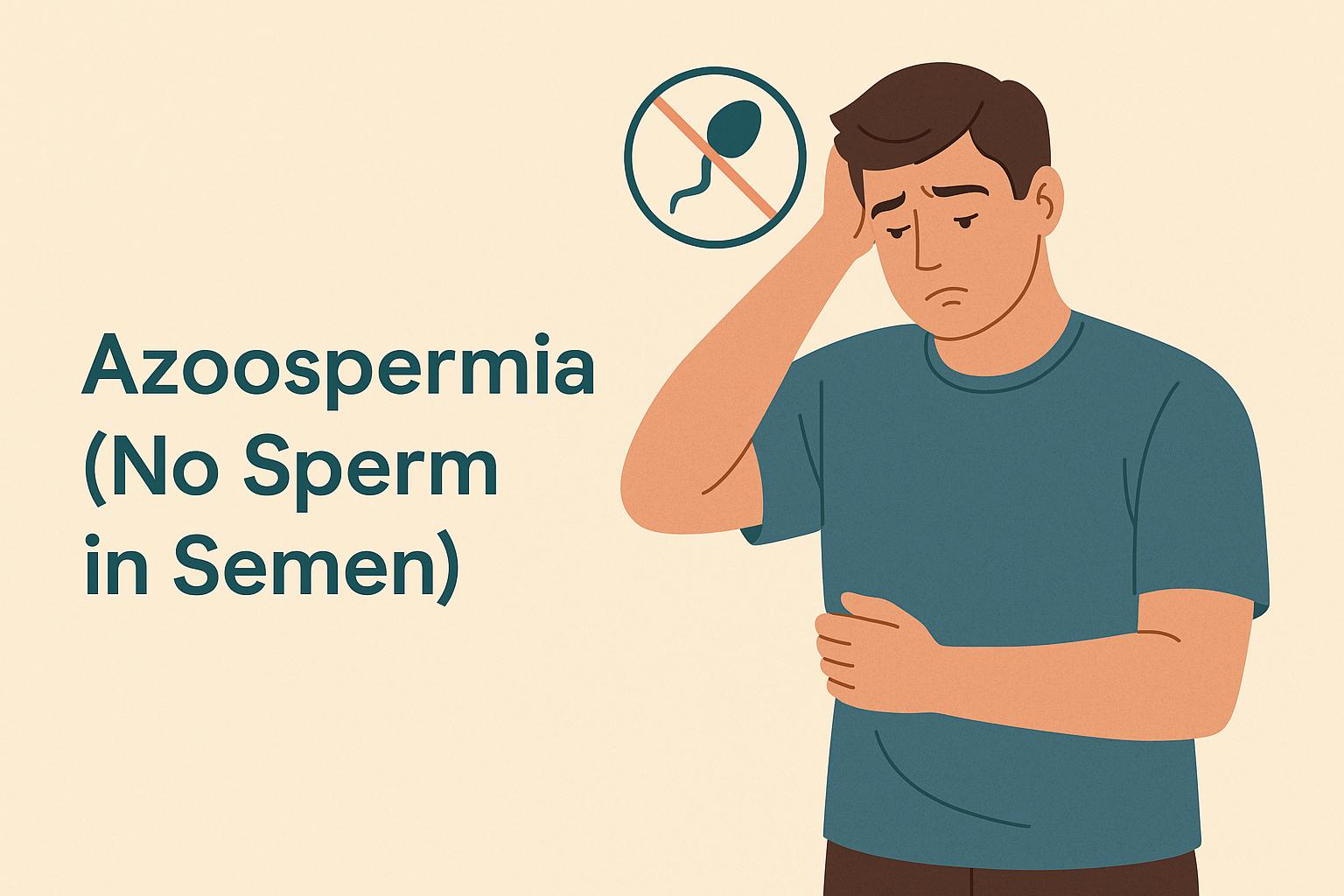
Oligospermia or low sperm count refers to a situation in which there are less than 15 million sperm per millilitre of semen. This complicates the conception process by making it difficult for a woman to conceive. Many men who have low sperm count are able to have a child, particularly with the appropriate male fertility treatment.
The sperm count is not the only aspect of the picture. The motility (how well sperm move) and morphology (the shape of sperm) are equally important. A semen analysis or a male fertility test can provide you with a complete breakdown of your semen.
Everyday routines that indirectly affect sperm health
Your everyday routine directly impacts your sperm health. Here is how fertility problems for males are caused by sleep, stress and physical activities:
The importance of sleep and recovery
Inadequate sleep increases cortisol and decreases testosterone, both of which are damaging to the production of sperm. Men who get less than 6 hours of sleep per night always have less sperm count than men who get 7-8 hours of sleep. Strive to get a routine sleep and a dark, cool room for quality sleep.
Stress and hormonal balance
Stress over a long period interferes with hormones, which control the production of sperm. When the body remains in a stressed position too long, the levels of testosterone are lowered, and the quality of sperm is affected.
Even simple everyday routines such as walking, breathing exercises, or even reducing screen time before going to bed may actually make a real difference over time.
Physical activity: What is helpful, what is harmful
Moderate exercise has been shown to help maintain normal levels of testosterone and also enhances blood flow to the reproductive organs, improving male fertility. The goal should be to get 30 minutes of exercise at least on most days. But too much training, particularly long-distance cycling, or high levels of steroids, can reduce the sperm count. Balance is key.
Diet changes that support sperm production
There are a number of foods and nutrients that are specifically significant in improving common male fertility problems, facilitating better health of sperm.
Vital nutrients for sperm health
Zinc is present in oysters, red meat, and pumpkin seeds, and is directly involved in the development of sperm. A low level of zinc decreases the sperm count as well as the testosterone hormone.
Folate is found in leafy green vegetables and helps to maintain integrity in sperm cells. Vitamin E and Vitamin C prevent oxidative damage to sperm cells as they are powerful antioxidants. Most of these can be achieved by a good diet, having all the important foods.
Natural foods that have been shown to increase sperm count
Eggs, walnuts, tomatoes, dark chocolates, and oily fish such as salmon and sardines are some of the best foods to boost sperm quality. These foods provide the building blocks sperm need to form and function properly.
Foods and drinks to avoid
Poor sperm quality has been attributed to processed food, trans fats, and excessive sugar. When consumed in large amounts, alcohol lowers testosterone and destroys sperm DNA.
Medical treatments for low sperm count
Hormone therapy and medications
The doctors can prescribe medication to rectify the hormonal imbalance when low sperm count is associated with a hormonal imbalance. Hormonal therapy is used to stimulate sperm production directly. They are typically added once lifestyle modifications have not simply sufficed.
Treating underlying conditions (varicocele, infections)
Varicocele is an enlarged vein in the scrotum that increases testicular temperature and decreases the production of sperm. In many cases, it can be successfully treated surgically. The reproductive tract infections can also be treated using antibiotics before they cause permanent damage.
Assisted fertility options (IVF, ICSI)
Assisted conception might be the only way to go when the number of sperm is extremely low. During IVF, eggs and sperm are fertilized in a laboratory. ICSI takes the process a step further and injects a single sperm into an egg, and this works even when the counts are exceedingly low.
When natural methods are not enough
In case you have been trying to conceive for more than six months or a year, but have had no success, or a semen analysis reveals extremely low counts, seek specialist treatment for male fertility immediately. An appropriate diagnosis will determine the cause as hormonal, physical or genetic if this is not clear. The experts check the reports, then treat them successfully.
Is it possible to improve the count of sperm naturally?
Yes, in most instances it can. It can take sperm over 2 months to mature, and therefore, you are able to see the actual results within the next two or three months.
Practical action plan to start today
Begin with fundamentals: get plenty of sleep, eat whole foods, reduce alcohol consumption, and exercise each day. It is the little steady changes that can make a huge difference as time goes by. By combining natural and medical approaches, low sperm count can be treated effectively. The Male Fertility Clinic will create a professional plan that combines both, which will give you the best possible chance of treating fertility problems in males.


 Quick WhatsApp Enquiry